See What You Can't.
See What You Can't.
An open-source AI copilot that brings Advanced Driver Assistance Systems (ADAS) to bicycles. Powered by computer vision and real-time looming algorithms.


// OPERATIONAL_CAPABILITIES
SYSTEM ARCHITECTURE
SYSTEM ARCHITECTURE
01
01
Global Shutter Optics
Standard cameras warp high-speed objects. Talos utilizes the IMX296 Global Shutter Sensor to capture distortion-free, mathematically accurate imagery of moving vehicles, ensuring precise detection at any relative velocity.
01
01
Global Shutter Optics
Standard cameras warp high-speed objects. Talos utilizes the IMX296 Global Shutter Sensor to capture distortion-free, mathematically accurate imagery of moving vehicles, ensuring precise detection at any relative velocity.
01
01
Global Shutter Optics
Standard cameras warp high-speed objects. Talos utilizes the IMX296 Global Shutter Sensor to capture distortion-free, mathematically accurate imagery of moving vehicles, ensuring precise detection at any relative velocity.
02
02
Real-Time Edge AI
Powered by the Raspberry Pi 5. All neural network inference happens locally on the device with ~60ms latency. No cloud dependencies, no lag, and complete privacy by design.
02
02
Real-Time Edge AI
Powered by the Raspberry Pi 5. All neural network inference happens locally on the device with ~60ms latency. No cloud dependencies, no lag, and complete privacy by design.
02
02
Real-Time Edge AI
Powered by the Raspberry Pi 5. All neural network inference happens locally on the device with ~60ms latency. No cloud dependencies, no lag, and complete privacy by design.
03
03
Looming Vector Analysis
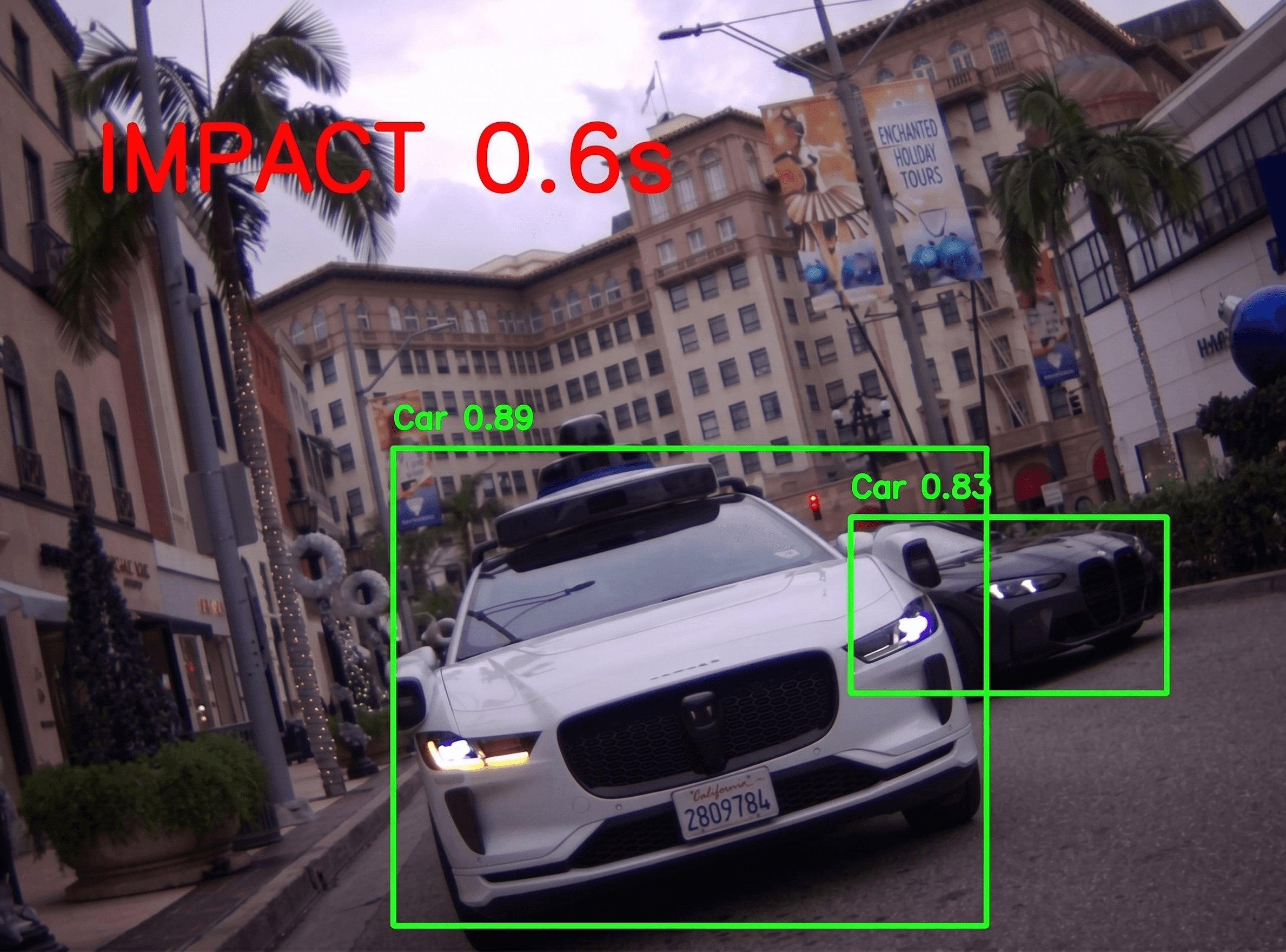
Goes beyond simple object detection. Talos uses Optical Flow and Vector Calculus to calculate the rate of expansion (dA/dt) of approaching objects, predicting Time-to-Collision (TTC) with high precision.
03
03
Looming Vector Analysis
Goes beyond simple object detection. Talos uses Optical Flow and Vector Calculus to calculate the rate of expansion (dA/dt) of approaching objects, predicting Time-to-Collision (TTC) with high precision.
03
03
Looming Vector Analysis
Goes beyond simple object detection. Talos uses Optical Flow and Vector Calculus to calculate the rate of expansion (dA/dt) of approaching objects, predicting Time-to-Collision (TTC) with high precision.
04
04
Intelligent Threat Filtering
Silence is golden. The system distinguishes between a car passing safely and a vehicle on a collision course, filtering out false positives to provide audible warnings only when a genuine threat is detected.
04
04
Intelligent Threat Filtering
Silence is golden. The system distinguishes between a car passing safely and a vehicle on a collision course, filtering out false positives to provide audible warnings only when a genuine threat is detected.
04
04
Intelligent Threat Filtering
Silence is golden. The system distinguishes between a car passing safely and a vehicle on a collision course, filtering out false positives to provide audible warnings only when a genuine threat is detected.
05
05
Day & Night Mastery
Fine-tuned on the BDD100K (Berkeley Deep Drive) dataset. Talos is trained to recognize vehicles, cyclists, and pedestrians across varied lighting conditions, from high-noon glare to low-light dusk.
05
05
Day & Night Mastery
Fine-tuned on the BDD100K (Berkeley Deep Drive) dataset. Talos is trained to recognize vehicles, cyclists, and pedestrians across varied lighting conditions, from high-noon glare to low-light dusk.
05
05
Day & Night Mastery
Fine-tuned on the BDD100K (Berkeley Deep Drive) dataset. Talos is trained to recognize vehicles, cyclists, and pedestrians across varied lighting conditions, from high-noon glare to low-light dusk.
06
06
Open Source Architecture
Built on Python and YOLOv8. Talos is fully modular and open-source, allowing engineers and developers to audit the code, customize detection models, and extend hardware capabilities.
06
06
Open Source Architecture
Built on Python and YOLOv8. Talos is fully modular and open-source, allowing engineers and developers to audit the code, customize detection models, and extend hardware capabilities.
06
06
Open Source Architecture
Built on Python and YOLOv8. Talos is fully modular and open-source, allowing engineers and developers to audit the code, customize detection models, and extend hardware capabilities.
// OPERATIONAL_LOGIC
DETECTION LOOP
DETECTION LOOP
PHASE 01
VISUAL ACQUISITION
IMX296 sensor utilizes Global Shutter technology to capture blur-free frames in high-vibration environments. Images are buffered directly to system RAM to minimize I/O latency before neural inference.

PHASE 01
VISUAL ACQUISITION
IMX296 sensor utilizes Global Shutter technology to capture blur-free frames in high-vibration environments. Images are buffered directly to system RAM to minimize I/O latency before neural inference.

PHASE 01
VISUAL ACQUISITION
IMX296 sensor utilizes Global Shutter technology to capture blur-free frames in high-vibration environments. Images are buffered directly to system RAM to minimize I/O latency before neural inference.

PHASE 02
NEURAL INFERENCE
A quantized YOLOv8 neural network (NCNN) classifies approaching threats including vehicles, cyclists, and pedestrians. The pipeline utilizes hardware-accelerated math to maintain real-time tracking accuracy without overheating the CPU.

PHASE 02
NEURAL INFERENCE
A quantized YOLOv8 neural network (NCNN) classifies approaching threats including vehicles, cyclists, and pedestrians. The pipeline utilizes hardware-accelerated math to maintain real-time tracking accuracy without overheating the CPU.

PHASE 02
NEURAL INFERENCE
A quantized YOLOv8 neural network (NCNN) classifies approaching threats including vehicles, cyclists, and pedestrians. The pipeline utilizes hardware-accelerated math to maintain real-time tracking accuracy without overheating the CPU.

PHASE 03
THREAT ASSESSMENT
Looming detection algorithms calculate the expansion rate of the target. If Time-to-Collision drops below 2.5s, the system triggers audio-haptic warnings.

PHASE 03
THREAT ASSESSMENT
Looming detection algorithms calculate the expansion rate of the target. If Time-to-Collision drops below 2.5s, the system triggers audio-haptic warnings.

PHASE 03
THREAT ASSESSMENT
Looming detection algorithms calculate the expansion rate of the target. If Time-to-Collision drops below 2.5s, the system triggers audio-haptic warnings.

// HARDWARE_MANIFEST
BUILD REQUIREMENTS
Open source hardware reference design. Estimated build cost: ~$250 USD.
CORE COMPUTE
Central processing and neural inference engine.
$128
// SPECS
Raspberry Pi 5 Board ($95)
MicroSD Card 64GB ($18)
Alloy Heatsink Case ($15)
OPTICAL STACK
High-speed global shutter acquisition module.
$67
// SPECS
Global Shutter Camera ($50)
6mm Wide-Angle Lens ($15)
Ribbon Cable ($2)
POWER & MOUNT
Energy delivery and structural housing.
$42
// SPECS
Power Bank + Cable ($30)
USB-C Power Supply ($12)
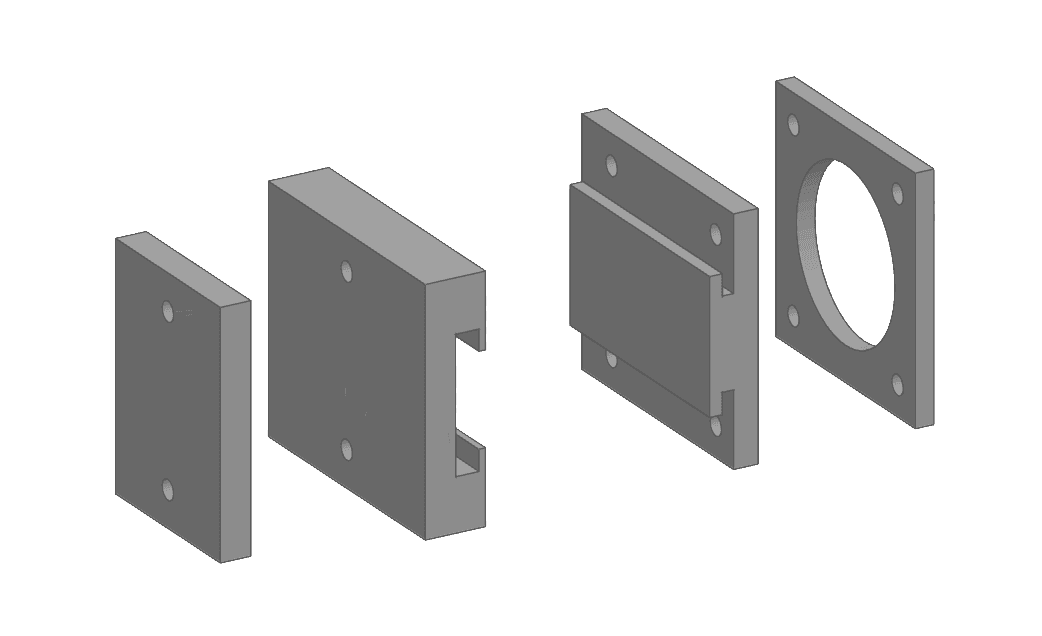
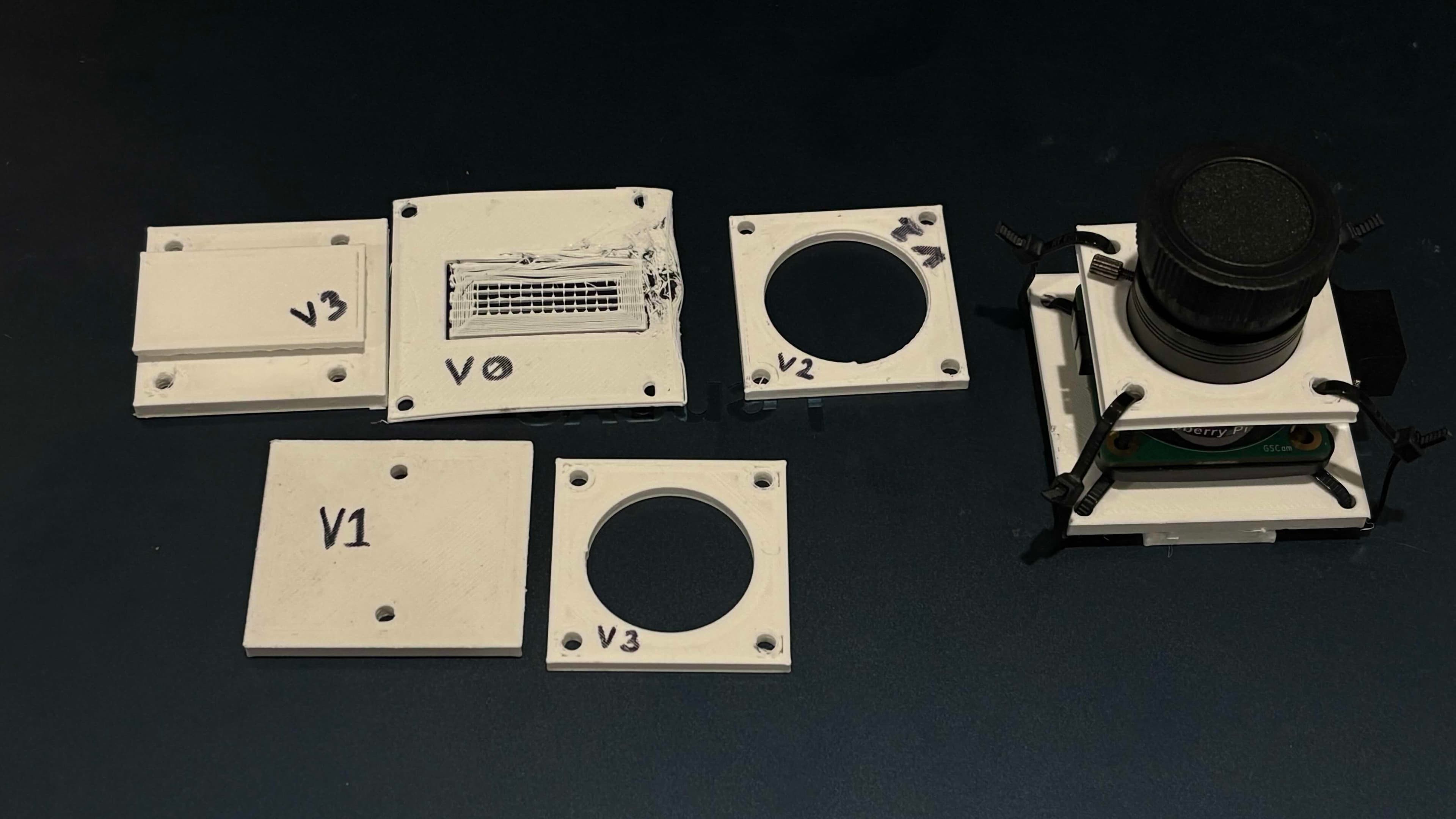
3D-Printed Mounting ($0)
CORE COMPUTE
Central processing and neural inference engine.
$128
// SPECS
Raspberry Pi 5 Board ($95)
MicroSD Card 64GB ($18)
Alloy Heatsink Case ($15)
OPTICAL STACK
High-speed global shutter acquisition module.
$67
// SPECS
Global Shutter Camera ($50)
6mm Wide-Angle Lens ($15)
Ribbon Cable ($2)
POWER & MOUNT
Energy delivery and structural housing.
$42
// SPECS
Power Bank + Cable ($30)
USB-C Power Supply ($12)
3D-Printed Mounting ($0)
CORE COMPUTE
Central processing and neural inference engine.
$128
// SPECS
Raspberry Pi 5 Board ($95)
MicroSD Card 64GB ($18)
Alloy Heatsink Case ($15)
OPTICAL STACK
High-speed global shutter acquisition module.
$67
// SPECS
Global Shutter Camera ($50)
6mm Wide-Angle Lens ($15)
Ribbon Cable ($2)
POWER & MOUNT
Energy delivery and structural housing.
$42
// SPECS
Power Bank + Cable ($30)
USB-C Power Supply ($12)
3D-Printed Mounting ($0)
READY TO BUILD?
The code is open. The hardware is accessible. Build your own ADAS and contribute to the safety network.
READY TO BUILD?
The code is open. The hardware is accessible. Build your own ADAS and contribute to the safety network.
READY TO BUILD?
The code is open. The hardware is accessible. Build your own ADAS and contribute to the safety network.